06 February 2026
Keeping your smile healthy sometimes requires care below the gum line. If you have chronic gum disease, a deep cleaning may be recommended to stop the infection from spreading.
For patients seeking Periodontal in Carrollwood, deep cleanings are the primary treatment for slowing the progression of periodontitis.
When choosing a dentist in Carrollwood, it’s important to select a provider who focuses on protecting the structures that support your teeth.
Treating gum disease early helps prevent pain, bone loss, and tooth instability, keeping your dental foundation strong for the long term.
How Does Deep Cleaning Protect Your Smile?
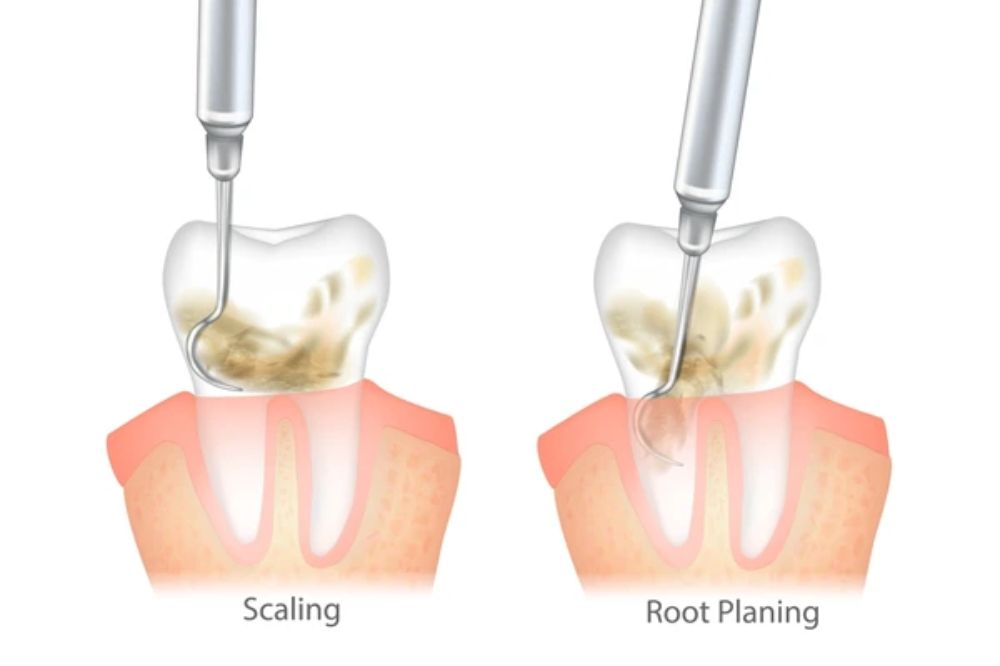
Scaling and root planing is a non-surgical process designed to eliminate hidden culprits of oral decay.
When you visit a dentist near you, the procedure is typically broken down into two distinct phases to ensure thoroughness.
- The Scaling Phase – Using specialised hand tools or ultrasonic devices, the provider removes hardened plaque, known as tartar, from both above and below the gum line.
- The Root Planing Phase – This involves smoothing the rough surfaces of the tooth roots. Smooth roots make it much harder for bacteria to reattach and colonise.
- Pocket Reduction – By removing irritants, your gums can finally begin to heal and reattach to the teeth, shrinking the “pockets” where bacteria hide.
- Local Anaesthesia – Most providers use a numbing agent to ensure you feel no discomfort while the deep tissues are being cleaned.
What Makes Gum Disease Treatment So Vital?
Without intervention, minor inflammation can quickly turn into a chronic health crisis.
Professional gum disease treatment is the only way to remove calcified deposits that a toothbrush cannot reach. If left alone, these deposits can cause the gums to pull away, exposing the vulnerable roots of your teeth.
- Halting Bone Loss – Chronic infection triggers an immune response that can dissolve the jawbone supporting your teeth.
- Stopping Receding Gums – Deep cleaning reduces the inflammation that causes the gum line to “shrink.”
- Eliminating Bad Breath – Persistent halitosis is often caused by sulfur-producing bacteria living in deep periodontal pockets.
- Preventing Tooth Loss – This procedure is often the final line of defence to keep your natural teeth stable.
How Does This Procedure Impact Your Overall Health?
The benefits of a deep cleaning extend far beyond the mouth. Modern science has shown a “mouth-body connection,” in which oral bacteria can enter the bloodstream and affect other systems.
Engaging in proactive Oral Health Maintenance is a key step in reducing systemic inflammation throughout your body.
- Heart Health – Bacteria found in gum disease are linked to an increased risk of heart disease and stroke.
- Diabetes Management – Chronic infections can make it harder for the body to control blood sugar levels.
- Respiratory Health – Bacteria from the mouth can be inhaled, potentially leading to respiratory issues.
- Pregnancy Safety – Maintaining gum health is crucial for expecting mothers to avoid specific birth complications.
What Should You Expect After Your Deep Cleaning?
Recovery is generally quick. You might experience some mild sensitivity to hot or cold temperatures for a few days, but this is a sign that the gums are beginning to tighten.
Your clinical team will likely recommend a specific home-care routine, including antimicrobial mouthwashes, to support the healing process.
Regular follow-up appointments are essential to monitor the shrinkage of your gum pockets and ensure the infection has not returned.
A Commitment to Your Long-Term Wellness
Taking care of your gum health is an important step toward a healthier smile. Treating infection early allows your body to heal and helps protect your natural teeth.
At Smile Venue Dental, we provide compassionate, personalised care in a comfortable setting. Our team is always happy to answer your questions and guide your treatment.
Ready to address your gum health? Contact us today to schedule a consultation and strengthen your smile’s foundation.
Frequently Asked Questions
How do I know if I need a deep cleaning instead of a regular one?
If your gum pockets measure deeper than 4 millimetres during an exam, it indicates that bacteria have moved too deep for a standard cleaning to reach.
Is the scaling and root planing procedure painful?
Using local anaesthesia to numb the area, most patients feel only a slight pressure or vibration during treatment, rather than sharp pain.
How many appointments will I need for this procedure?
Depending on the severity, the mouth is often divided into quadrants, and the treatment may be split over two visits to ensure patient comfort.
Will my gums grow back after the deep cleaning?
While lost gum tissue does not typically “grow back,” the procedure allows existing tissue to become healthy and firm, and to be securely reattached to the teeth.